

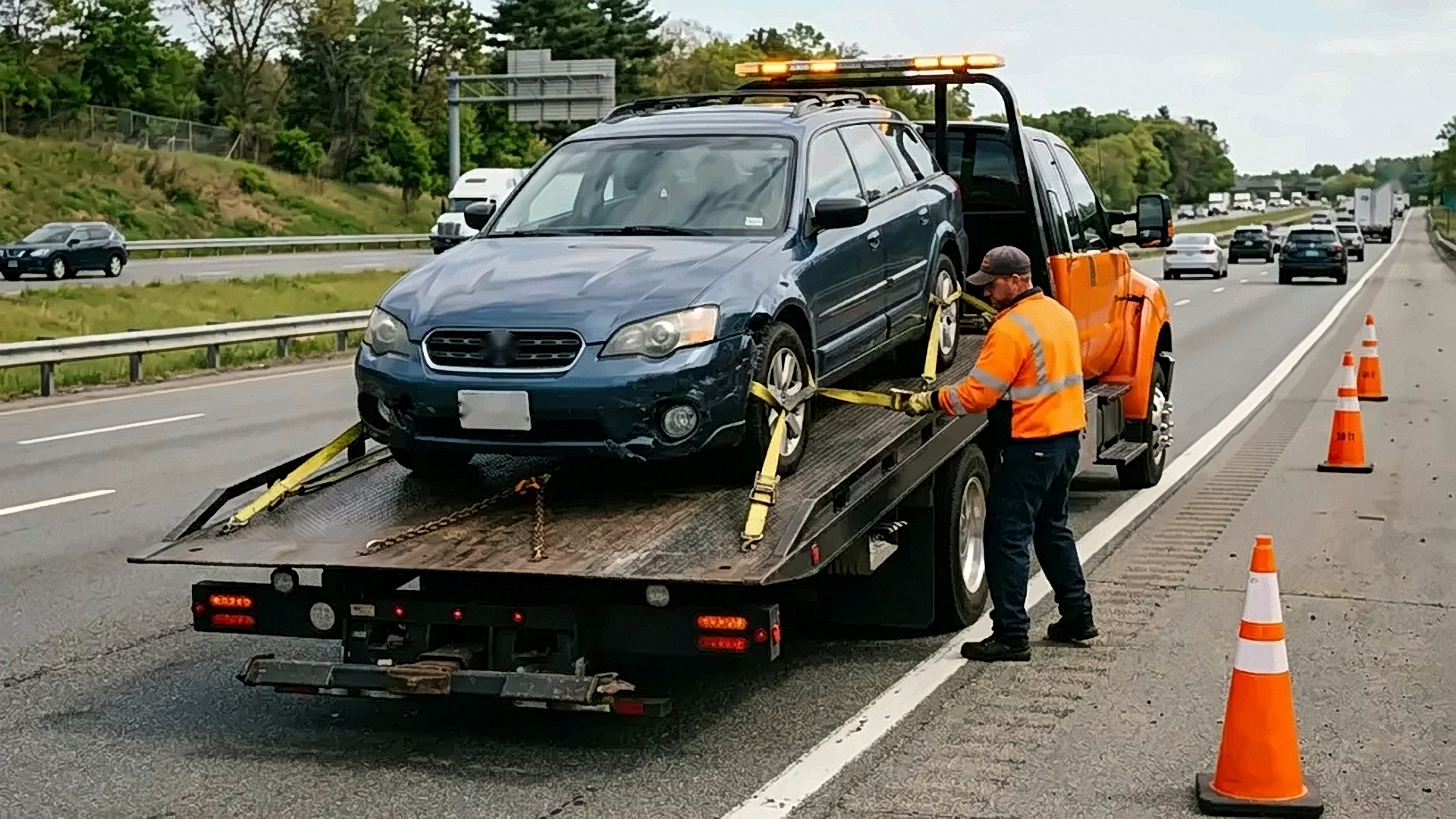
Getting a vehicle stuck in mud or sliding into a ditch can turn an ordinary drive into a stressful situation. The tires may spin without gaining traction, the vehicle may become buried up to its axles, or one side may drop into a ditch and leave the car unable to move safely. In these situations, drivers often hear two possible recovery options: winching and towing. Although the terms are sometimes used interchangeably, winching and towing are two different vehicle recovery methods. Winching is primarily used to pull a stuck vehicle out of a difficult position. Towing generally involves transporting a vehicle from one location to another using a tow truck or other suitable towing equipment. Choosing the right method depends on where the vehicle is stuck, how deeply it is embedded, its condition, the surrounding terrain, and whether it can be driven after recovery. Understanding these differences can help you make safer decisions and explain your situation more clearly when requesting roadside assistance. For drivers throughout Fort Worth and the Dallas–Fort Worth Metroplex, knowing when a vehicle needs winching rather than conventional towing can make a roadside emergency easier to manage.
What Is Winching in Vehicle Recovery?
Winching is a vehicle recovery technique that uses a powered winch, cable, or synthetic recovery rope to pull a vehicle out of a position where it cannot move under its own power. A winch is commonly mounted on a recovery truck or specialized vehicle. It uses a motor and rotating drum to wind in a cable or rope, creating controlled pulling force. The cable is connected to an appropriate recovery point on the stuck vehicle, while the recovery equipment is positioned to pull it toward safer, more stable ground. Winching is especially useful when a vehicle is trapped in mud, loose soil, sand, snow, or a ditch. Instead of immediately transporting the vehicle, the operator focuses on removing it from the obstacle.
How Does Vehicle Winching Work?
Professional winching involves more than attaching a cable and pulling. The operator must assess the vehicle's position, identify a suitable recovery point, select appropriate equipment, and determine a safe pulling direction.
A typical recovery process includes the following steps:
Assess the vehicle's position: The operator checks how deeply the tires are buried, whether the vehicle is leaning, and whether it is resting against an obstacle.
Inspect the surrounding area: The recovery team evaluates the ground conditions, available anchor points, slope, and potential hazards.
Select suitable equipment: The operator chooses a winch, cable or rope, connectors, and other recovery equipment appropriate for the vehicle and situation.
Connect to an approved recovery point: The winch line is attached to a manufacturer-designated recovery point or another suitable point identified by a qualified professional.
Establish a controlled pulling direction: The operator positions the recovery equipment to move the vehicle toward stable ground while limiting unnecessary sideways force.
Recover the vehicle gradually: The winch applies controlled tension until the vehicle is free from the mud, ditch, or other obstruction.
Inspect the vehicle after extraction: The operator checks whether the vehicle is safely positioned and whether additional towing or inspection is necessary.
The exact process varies with the vehicle, terrain, and severity of the situation. A deeply buried truck may require a different recovery setup from a passenger car with two wheels stuck in soft mud.
When Is Winching Necessary?
Winching is generally appropriate when a vehicle is physically trapped and cannot move safely without external pulling force.
Common examples include:
A car stuck in deep mud after driving onto a soft shoulder.
A pickup truck with its rear wheels buried in wet soil.
An SUV that has slid partly into a roadside ditch.
A vehicle trapped in sand near an unpaved road.
A car stuck in snow with its tires unable to gain traction.
A vehicle resting at an angle where driving out could cause further damage.
The key factor is the vehicle's position. If it needs to be pulled out of an obstacle before it can move safely, winching may be the appropriate recovery method.
What Is Towing?
Towing is the process of moving a vehicle from one location to another using a tow truck or another suitable vehicle transportation setup. Unlike winching, which focuses on extracting a vehicle from a difficult position, towing is generally intended to transport a vehicle that cannot or should not be driven. A vehicle may need towing after a mechanical breakdown, collision, severe tire damage, or successful recovery from mud or a ditch. Professional towing equipment may include flatbed trucks, wheel-lift systems, and other vehicle-specific towing arrangements.
How Does Professional Towing Work?
The towing process begins with an assessment of the vehicle and its transportation requirements.
A typical towing service follows these steps:
Evaluate the vehicle: The operator identifies its size, condition, drivetrain, damage, and location.
Choose the appropriate tow truck: A flatbed or wheel-lift setup may be selected based on the vehicle's condition and manufacturer recommendations.
Position the truck safely: The operator considers traffic, road conditions, available space, and the vehicle's position.
Secure the vehicle: Suitable equipment is used to load or lift the vehicle and secure it for transportation.
Transport it to the destination: The vehicle is moved to a repair shop, residence, storage facility, or another agreed location.
Unload it carefully: The operator follows the appropriate procedures to remove the vehicle from the tow truck.
The correct towing method depends on the vehicle. All-wheel-drive vehicles, electric vehicles, low-clearance sports cars, and vehicles with collision damage may require specific loading and transportation procedures. Drivers can learn more about choosing the right tow truck for their vehicle.
When Is Towing the Better Option?
Towing is usually the better choice when the vehicle needs to be transported rather than simply pulled out of its current position.
Situations that may require towing include:
An engine that will not start after a vehicle gets stuck.
Transmission or drivetrain damage.
A collision that makes the vehicle unsafe to drive.
Severe tire, suspension, or steering damage.
A vehicle that has been recovered from a ditch but cannot move independently.
A car that needs professional inspection before returning to the road.
A vehicle can need both winching and towing during the same roadside emergency. Extraction gets it out of the difficult location; towing takes it to a suitable destination if it is not safe to drive.
Winching vs. Towing: What Is the Main Difference?
The main difference is the purpose of each service. Winching pulls a vehicle out of a stuck position, while towing transports a vehicle to another location.
Both methods involve specialized equipment and trained operators, but they solve different problems.
Can a Tow Truck Also Perform Winching?
Yes. Many professional towing and recovery trucks are equipped to perform winching operations. A tow truck may use a winch to pull a vehicle out of mud, reposition it, or bring it onto a flatbed. However, the presence of a winch does not mean every stuck vehicle can be recovered using the same method. The operator must consider the pulling angle, vehicle weight, ground conditions, equipment capacity, and available recovery points. Some situations require specialized recovery equipment or a different approach. This is why describing the vehicle's exact position when requesting assistance is useful. A dispatcher can use that information to help determine what type of truck and equipment may be required.
What Happens When a Vehicle Gets Stuck in Mud?
Mud can create a difficult recovery situation because it reduces tire traction and may create suction around the tires and undercarriage. When the tires spin, they can dig deeper into the ground. A vehicle that initially appears only slightly stuck may become increasingly difficult to move if the driver continues applying throttle.
Why Vehicles Become Trapped in Mud
Several factors can contribute to a vehicle becoming stuck:
Soft ground: Wet soil may not provide enough support for the vehicle's weight.
Tire spin: Spinning tires can dig into the mud instead of moving the vehicle forward.
Low ground clearance: The vehicle's undercarriage may settle onto the ground.
Poor traction: Mud can prevent tires from maintaining a firm grip.
Uneven terrain: One or more wheels may sink deeper than the others.
Even vehicles with four-wheel drive can become stuck when the ground conditions are especially difficult. Four-wheel drive can improve traction, but it cannot eliminate the risk of getting trapped.
Why Winching Is Often Used for Mud Recovery
Winching can provide controlled pulling force when the tires cannot generate enough traction to move the vehicle. The recovery operator assesses the vehicle's position and determines the safest direction of extraction. Depending on the circumstances, the vehicle may be pulled forward, backward, or toward a more stable section of ground. If the undercarriage is resting on mud or the vehicle is deeply embedded, the recovery may require additional preparation. Simply applying more pulling force is not always the safest approach. Once the vehicle is free, the operator can assess whether it is safe to drive. If mud has damaged the tires, brakes, suspension, or other components, towing may be necessary.
What Happens When a Vehicle Slides Into a Ditch?
A vehicle in a ditch presents a different challenge from one stuck in mud on relatively level ground. The vehicle may be tilted, partially suspended, or resting against the ditch's side. Its wheels may not have enough contact with the ground to move it back onto the road. Depending on the depth and angle, attempting to drive out can cause additional damage or make the vehicle less stable.
Why Ditch Recovery Requires Careful Assessment
Several details influence how a vehicle can be recovered from a ditch:
Vehicle angle: A steep sideways or forward tilt can affect stability.
Wheel position: Some wheels may be off the ground or trapped against the ditch.
Ground conditions: Loose soil, wet grass, mud, and gravel can affect traction.
Nearby obstacles: Trees, drainage structures, fences, and road barriers may limit recovery options.
Vehicle damage: A collision with the ditch or roadside objects may affect the steering, suspension, or body.
A professional operator must consider these factors before deciding how to pull the vehicle out.
Is Winching Better Than Towing for Ditch Recovery?
Winching is often used to extract a vehicle from a ditch because the vehicle first needs to be moved back onto stable ground. However, the correct recovery method depends on the vehicle's position and condition. A vehicle that has rolled over, sustained serious collision damage, or become dangerously unstable may require specialized recovery procedures. After extraction, towing may be necessary if the vehicle cannot be driven safely. The operator should not assume that a vehicle is roadworthy simply because it has been pulled out of the ditch.
Can a Vehicle Need Both Winching and Towing?
Yes. Winching and towing are frequently complementary services rather than competing options. Consider a driver whose SUV slides off a wet road and becomes stuck in a muddy ditch. The wheels cannot gain traction, and the vehicle is positioned at an angle that makes driving out unsafe. A recovery operator may first use a winch to bring the SUV back onto stable ground. Once it has been extracted, an inspection may reveal that the front suspension is damaged or the tires are no longer safe for driving. In that situation, the next step is towing the SUV to a repair facility.
The two services serve separate purposes:
Winching: Removes the vehicle from the ditch or mud.
Towing: Transports the vehicle to a safe destination.
This distinction is useful because drivers sometimes assume that a successful extraction means the vehicle is ready to return to normal driving. That is not always true.
What Factors Determine the Right Vehicle Recovery Method?
The choice between winching and towing should be based on the actual recovery conditions, not simply the type of vehicle or the driver's preference.
1. How Deeply Is the Vehicle Stuck?
A vehicle with one tire in shallow mud may need a relatively straightforward recovery. A vehicle buried up to its axles or resting on its undercarriage may require a more involved winching operation. The depth and firmness of the ground influence how much resistance the recovery equipment must overcome.
2. Is the Vehicle Damaged?
A vehicle that has slid into a ditch may have hidden damage even if the exterior looks mostly intact.
The operator should consider possible damage to:
Steering components
Suspension parts
Wheels and tires
Bumpers and underbody panels
Braking components
Drivetrain and fluid lines
If the vehicle has significant damage, towing after extraction may be the safer choice.
3. What Is the Terrain Like?
Flat, open ground offers different recovery conditions from a steep roadside ditch. Slopes, loose soil, wet grass, deep mud, and nearby obstacles can affect the recovery direction and equipment setup. A professional may need to reposition the recovery truck or use additional equipment to perform the operation safely.
4. Can the Vehicle Move After Extraction?
A vehicle that is free from mud but still cannot move under its own power may need towing. The same applies when the driver notices unusual noises, warning lights, fluid leaks, or changes in steering or braking after recovery. Driving a potentially damaged vehicle can create additional risks.
5. What Equipment Is Appropriate?
The recovery equipment must be suitable for the vehicle and the conditions. A winch and its accessories have rated working limits. Connectors, recovery points, cables, and ropes must be compatible with the setup. An operator should never exceed equipment ratings or attach recovery equipment to an unsuitable component.
Common Mistakes Drivers Make When Their Vehicles Get Stuck
A vehicle becoming trapped in mud or a ditch can cause panic, especially when other traffic is nearby. However, certain reactions can make the situation worse.
Continuing to Accelerate
Spinning the tires repeatedly can dig the vehicle deeper into mud or loose soil. It can also increase tire temperature and place additional strain on vehicle components. If the vehicle is not moving, stop applying throttle and reassess the situation.
Attempting an Unplanned Pull
Using another vehicle, an ordinary rope, or an improvised attachment point to pull a stuck car can be dangerous. Recovery equipment must be properly rated, and the connection points must be suitable for the pulling forces involved. A tow ball, bumper, suspension component, or other unsuitable attachment point should not be treated as a recovery point.
Standing Near a Tensioned Cable
Winch cables and recovery ropes store energy under tension. If a line, connector, or attachment point fails, it can move suddenly and cause serious injury. People should remain clear of the recovery line and follow the operator's safety instructions. Professional recovery teams use controlled procedures and appropriate equipment to reduce these risks.
Trying to Drive Out of a Ditch
A vehicle that is leaning at an unusual angle may be unstable. Applying power without understanding its position can worsen the situation or cause additional damage. Wait for a qualified recovery operator to assess the vehicle before attempting to move it.
Assuming the Vehicle Is Safe After Recovery
Being back on level ground does not confirm that the vehicle is mechanically sound. Check for visible damage, fluid leaks, unusual noises, warning lights, and changes in steering or braking. If anything seems abnormal, arrange an inspection or towing rather than continuing to drive. You can also review how to tell if your vehicle is safe to drive after a breakdown.
What Should You Do While Waiting for Winching or Towing Assistance?
Your safety should come before the vehicle's recovery. If your car becomes stuck near a road, move away from traffic if it is safe to do so. Turn on the hazard lights and remain in a protected location whenever possible.
Follow these practical steps:
Check for immediate danger: Look for traffic, unstable ground, smoke, leaking fuel, or other hazards.
Contact emergency services if necessary: If anyone is injured, the vehicle is in a dangerous position, or there is an immediate threat, call 911.
Avoid repeated recovery attempts: Do not keep spinning the tires or attempt an improvised pull.
Share your location: Provide the road name, nearby intersection, business, landmark, or accurate map location.
Describe the vehicle's position: Explain whether it is stuck in mud, partly in a ditch, leaning, or blocking traffic.
Mention visible damage: Report leaking fluids, damaged wheels, deployed airbags, or other concerns.
Follow the recovery operator's instructions: Stay clear of the recovery area and do not approach the equipment unless directed.
In the Fort Worth and wider DFW area, road shoulders, construction zones, unpaved access roads, and changing weather conditions can all contribute to roadside recovery situations. Providing accurate information helps the dispatcher understand the circumstances before sending assistance. For more guidance, see what to do if your car breaks down in an unsafe location.
How to Choose a Professional Winching and Towing Service
Not every roadside assistance request requires the same equipment or level of recovery experience. Choosing a provider with suitable towing and recovery capabilities can help protect both the vehicle and the people involved.
Ask Whether the Provider Handles Off-Road Recovery
Some towing services focus primarily on transporting disabled vehicles. Others also handle winching and vehicle extraction. Explain that the vehicle is stuck in mud or a ditch and ask whether the provider can perform the required recovery.
Describe the Situation Accurately
Give the dispatcher useful details, including:
Vehicle make, model, and approximate size.
Whether the vehicle is a car, SUV, pickup, or van.
Whether it is stuck in mud, a ditch, or sand.
How many wheels are trapped or off the ground.
Whether the vehicle is leaning or visibly damaged.
Whether it is blocking traffic or creating a safety hazard.
Photos may also help the dispatcher understand the recovery conditions, provided you can take them from a safe location.
Ask About Equipment and Pricing
Before work begins, ask what type of service may be needed and how the pricing is determined. Recovery costs can vary based on vehicle position, terrain, equipment requirements, distance, and complexity. A clear explanation of the expected service and charges helps avoid misunderstandings. Drivers can also review what affects the cost of towing a vehicle in the DFW area.
Look for Safe Vehicle Handling
Professional recovery should prioritize controlled movement, suitable equipment, and safe attachment points. The operator should be able to explain the general recovery approach and identify any concerns that could affect the vehicle. For drivers in Fort Worth, BOO INFRONT TOWING provides towing and roadside assistance throughout the Dallas–Fort Worth Metroplex, including emergency support and vehicle transportation. When requesting help, describing whether your vehicle needs extraction, transportation, or both can help the team understand the situation.
Conclusion
Winching and towing are both essential parts of professional vehicle recovery, but they serve different purposes. Winching is used to pull a vehicle out of mud, a ditch, or another difficult position. Towing transports a vehicle to another location when it cannot or should not be driven. A vehicle stuck in deep mud may need winching before it can reach stable ground. A car that has slid into a ditch may require a carefully planned extraction, followed by towing if it has sustained damage. In some situations, both services are necessary to complete the recovery safely. The most sensible approach is to avoid aggressive driving attempts, stay away from improvised recovery methods, and provide accurate information when requesting professional assistance. Understanding the difference between winching and towing helps you recognize what your vehicle needs and make better decisions during an unexpected roadside emergency.
Frequently Asked Questions
1. What is the difference between winching and towing?
Winching uses a powered cable or rope to pull a stuck vehicle out of mud, a ditch, or another difficult position. Towing involves transporting a vehicle from one location to another using a tow truck. A vehicle may need both services if it must first be extracted and then taken to a repair shop.
2. Is winching better than towing for a car stuck in mud?
Winching is often the appropriate first step when a vehicle is trapped in mud and cannot move under its own power. It helps pull the vehicle onto stable ground. If the vehicle has damage or cannot be driven afterward, towing may also be required.
3. Can a tow truck pull a car out of a ditch?
Yes. Many recovery and towing trucks have winches that can pull vehicles out of ditches. The operator must assess the vehicle's position, ground conditions, recovery points, and equipment requirements before beginning the extraction.
4. How does a winch pull a vehicle out of mud?
A powered winch winds a cable or synthetic rope around a rotating drum, creating controlled pulling force. The line is attached to a suitable recovery point, and the operator uses the equipment to pull the vehicle toward stable ground. The setup must be appropriate for the vehicle and terrain.
5. Can winching damage my vehicle?
Winching can cause damage if the equipment is improperly attached, the pulling direction is unsuitable, or excessive force is applied. Professional operators assess recovery points, equipment ratings, and vehicle position to reduce the risk. A vehicle should also be inspected after a difficult recovery.
6. How much does vehicle winching cost?
The cost depends on factors such as how deeply the vehicle is stuck, the terrain, vehicle size, equipment requirements, and recovery complexity. A straightforward extraction may involve different work from recovering a vehicle buried in mud or positioned at an angle in a ditch. Ask the provider for pricing details before work begins.
7. Can my vehicle be driven after being pulled out of a ditch?
Not necessarily. The vehicle may have hidden damage to its suspension, steering, tires, brakes, or undercarriage. If you notice fluid leaks, unusual noises, warning lights, or changes in handling, avoid driving and arrange professional inspection or towing.
8. Should I keep accelerating when my car gets stuck in mud?
No. Repeatedly spinning the tires can dig the vehicle deeper into the mud and make recovery more difficult. Stop applying throttle, avoid improvised pulling attempts, and request appropriate recovery assistance.
9. Can a vehicle need both winching and towing?
Yes. Winching can remove a vehicle from mud or a ditch, while towing can transport it to a repair shop or another destination. This combination is common when a vehicle has sustained damage or cannot move safely after extraction.
10. What information should I provide when requesting winching or towing assistance?
Share your exact location, vehicle make and model, and whether it is stuck in mud, sand, or a ditch. Explain how the vehicle is positioned, whether it is leaning or damaged, and whether it is blocking traffic. Clear details help the provider determine what equipment and recovery service may be needed.
