What to Do If Your Car Breaks Down in an Unsafe Location
Introduction
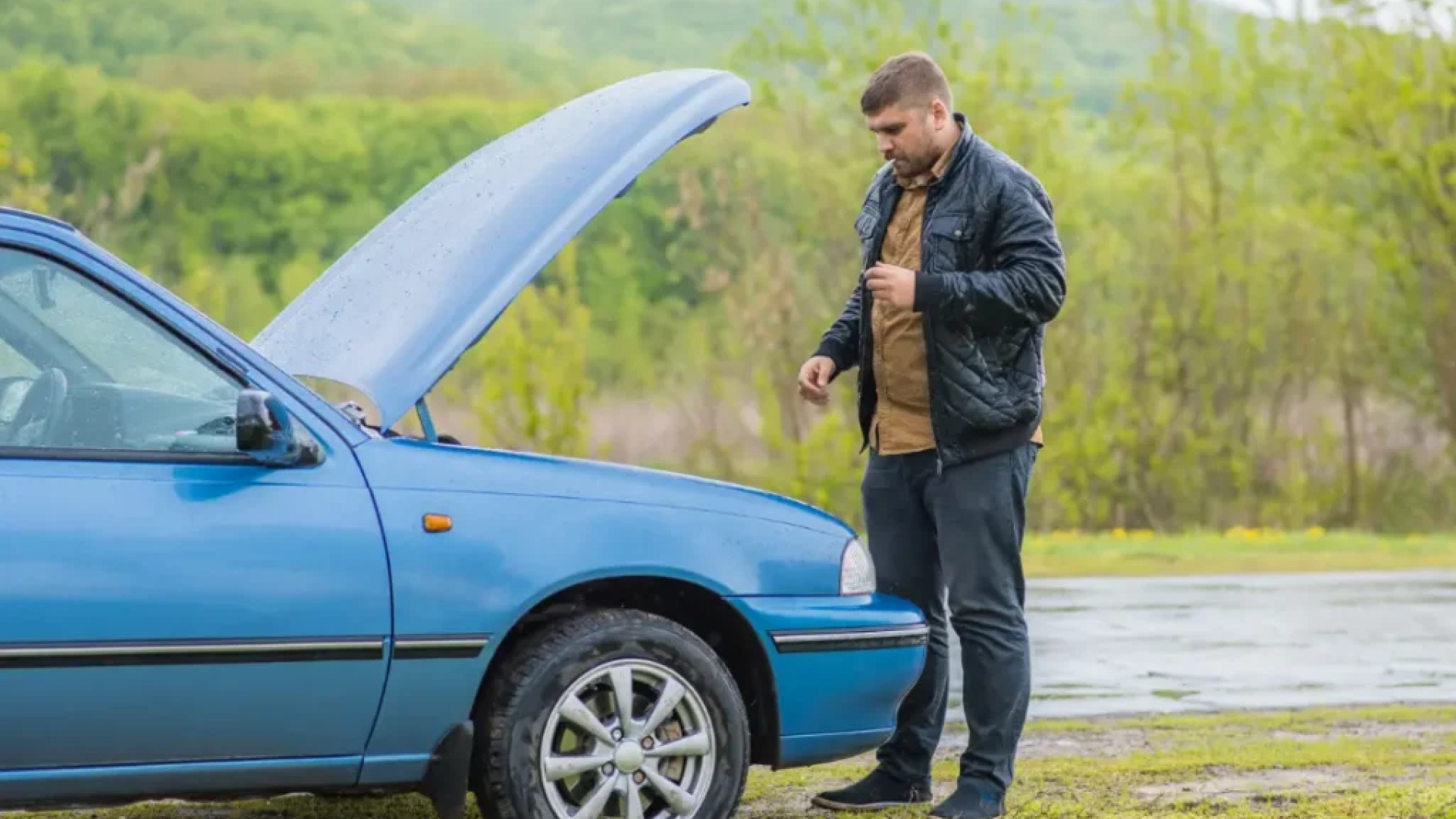
A car breakdown is stressful anywhere, but it becomes much more serious when your vehicle stops in an unsafe location. A disabled car on a busy Dallas highway, near a blind curve, in an unfamiliar neighborhood, or along a poorly lit road can put you at risk from passing traffic, limited visibility, weather, or other hazards.
Your first priority is not figuring out why the car stopped. Your first priority is protecting yourself and everyone around you.
Knowing what to do before a tow truck arrives can make a difficult situation much safer. The right steps include moving the vehicle out of traffic when possible, turning on hazard lights, staying aware of your surroundings, contacting emergency services when necessary, and arranging reliable roadside assistance.
This guide explains what to do when your vehicle breaks down on a busy DFW road, including what to do on a highway, at night, during bad weather, or after an accident. It also explains when you should call for emergency towing and what information to give the towing company.
Move Your Vehicle to a Safer Location If You Can
If your car is still capable of moving, get it away from moving traffic as soon as it is reasonably safe.
You do not need to diagnose the mechanical problem first. If the engine is running and the vehicle can be controlled, look for a safer place such as a wide shoulder, parking lot, side street, or other area away from traffic.
On a busy road, even moving a short distance away from an active travel lane can reduce the risk of a collision.
Do Not Force a Vehicle That Cannot Be Driven Safely
There is a difference between a vehicle that can slowly reach a safe location and one that should not be driven at all.
Do not continue driving if you notice:
Smoke coming from the engine or vehicle
A strong fuel smell
Significant fluid leaking
Severe steering problems
Brake failure
Major tire damage
A damaged wheel or suspension component
Serious collision damage
An overheating engine with warning signs
Trying to "make it home" can turn a breakdown into a much more dangerous situation.
If the vehicle cannot safely move, keep it where it is and focus on getting yourself out of danger. Recognizing the signs you need professional towing instead of driving a damaged vehicle can keep you safe.
Essential Safety Steps While Waiting for Help
Turn On Your Hazard Lights
Turn on your emergency flashers as soon as you realize you have a problem.
Hazard lights help alert approaching drivers that your vehicle is disabled or moving unusually slowly. This is especially useful at night, in rain, fog, heavy traffic, or other conditions where visibility is reduced.
If your vehicle has reflective warning equipment and you can safely place it without entering traffic, it may provide additional visibility. Never put yourself in the path of approaching vehicles just to place a warning device.
Keep Your Vehicle Visible
If possible, position your vehicle so that other drivers have as much room as practical to pass.
At night, keep the vehicle's lights on when appropriate and avoid standing directly behind or in front of the car. A disabled vehicle can be struck from behind, particularly on high-speed roads.
The safest position for you may depend on the road, traffic conditions, barriers, and the location of your vehicle.
Stay Inside or Exit the Vehicle Based on the Situation
One of the most important decisions during a roadside breakdown is whether you should remain inside the vehicle or get out.
There is no single answer for every situation.
If the vehicle is safely off the road and there is no immediate danger inside it, remaining buckled inside can sometimes be safer than standing near traffic.
However, if the vehicle is in an active traffic lane, on fire, filling with smoke, or exposed to another immediate hazard, leaving the vehicle may be necessary.
Never Stand in a Traffic Lane
Do not stand beside your vehicle simply because you are waiting for roadside assistance.
A driver who is distracted, speeding, impaired, or unable to see your vehicle clearly can create a serious hazard. Give moving traffic as much distance from yourself as possible.
If you must exit the vehicle, assess the safest direction first and stay away from active lanes.
Be Especially Careful on Highways
A highway breakdown deserves extra caution because vehicles are traveling at higher speeds and drivers may have limited time to react.
If you are on a Dallas-Fort Worth highway or another high-traffic roadway, avoid walking along the shoulder unless there is an immediate safety reason to do so. Your safest option is often to remain in a protected position and request roadside assistance.
Calling for Emergency Support and Towing Services
Call 911 When There Is an Immediate Safety Threat
A routine breakdown and an emergency are not the same thing.
Call 911 if you are facing an immediate danger, such as:
A collision involving injuries
A vehicle stopped in a dangerous traffic lane
Fire or significant smoke
A serious fuel leak
A threat from another person
A medical emergency
A situation where you cannot safely remain where you are
Emergency responders can address immediate threats while a towing company handles the vehicle.
If there is no immediate emergency but your car is disabled, contact a professional roadside assistance or towing provider.
Contact a Towing or Roadside Assistance Service
Once you are in a reasonably safe position, arrange roadside assistance.
Depending on the problem, you may need a jump start, tire change, fuel delivery, vehicle recovery, or towing.
A professional towing company can also help determine whether the vehicle should be transported rather than driven.
Give the Towing Company Your Exact Location
Your location is one of the most useful pieces of information you can provide.
Knowing what information should you give a towing company when you call can speed up response times. If possible, give the dispatcher:
Road or highway name
Direction of travel
Nearest exit
Nearby intersection
Mile marker
Landmark or business
Your vehicle's make, model, and color
The nature of the breakdown
Whether the vehicle is blocking traffic
Whether anyone is injured
For example, saying "I'm on I-35" is much less useful than saying "I'm on northbound I-35 near Exit 439, just past the entrance ramp, with my hazard lights on."
If you have a smartphone, your location-sharing or mapping application may also help you provide a more precise location.
Explain Why the Location Is Unsafe
Do not simply tell the towing company that your car broke down.
Tell them if the vehicle is:
Blocking a traffic lane
Partially blocking a shoulder
On a narrow bridge
Near a blind curve
On an entrance or exit ramp
In a construction zone
In a dangerous or isolated area
In standing water
In a location with poor visibility
This information helps the towing provider understand the situation before arriving.
For example, a standard roadside service call may require a different approach when a vehicle is disabled on a busy highway shoulder than when it is sitting safely in a parking lot.
Identifying the Right Service for Your Vehicle
Know When You Need a Tow Instead of Roadside Assistance
Not every breakdown requires towing. Understanding choosing the right towing service based on your vehicle and situation helps ensure you get appropriate assistance.
Some problems can potentially be resolved at the roadside:
Jump Start
A dead battery may only require a jump start. Read our guide on common reasons drivers need a jump start and how to avoid being stranded. If the vehicle starts afterward but has a recurring electrical problem, however, driving away may not be the best choice.
Flat Tire
A usable spare tire and the appropriate equipment may allow a tire change. Review tire change services: when roadside assistance is the safer option. If the tire is severely damaged, there is no spare, or the wheel has been damaged, towing may be safer.
Empty Fuel Tank
Emergency fuel delivery may get a vehicle running again if the problem is simply an empty tank.
Mechanical Failure
A major engine, transmission, steering, brake, or suspension problem generally calls for towing rather than attempting to continue driving. If steering is compromised, drivers often ask can a tow truck move a car with a locked steering wheel.
Accident Damage
After a collision, even a vehicle that appears drivable may have hidden damage. If there is significant damage or uncertainty about the vehicle's condition, professional accident recovery service and inspection are safer choices. Review what to expect during a professional accident recovery service call for more details.
Safety Precautions and Avoiding Common Hazards
Be Careful When Accepting Help From Strangers
Most people who stop to help may have good intentions, but you still need to protect yourself.
You do not have to approach an unknown person simply because they have pulled over. Keep your doors locked if you feel uncomfortable and communicate through a partially opened window when appropriate.
If someone offers to tow your vehicle, ask who they are and where they are taking the car before agreeing to anything.
If you have already contacted a towing company, ask the driver to identify the company and confirm the vehicle details before handing over your keys.
Watch for Unauthorized Tow Trucks
After accidents, multiple tow operators may arrive unexpectedly. This can create confusion, particularly when you are shaken or trying to deal with insurance and other drivers. Learning how to choose a towing company in the DFW Metroplex can protect you from predatory operators.
Before allowing a vehicle to be towed, confirm:
The towing company name
Where the vehicle will be taken
The expected towing charges
What services are being performed
Whether additional fees may apply
If law enforcement is directing the tow, follow the applicable instructions and ask questions if you do not understand where your vehicle is being transported.
What to Do If Your Car Breaks Down at Night
A nighttime breakdown presents additional visibility and personal-safety concerns.
Keep your hazard lights activated and remain aware of approaching traffic. Avoid standing outside the vehicle unless necessary.
If you are in an isolated location, tell the towing provider that the breakdown occurred at night and provide detailed location information.
You may also want to share your location with someone you trust and keep your phone charged whenever possible.
A flashlight can be useful for locating a safe area or identifying the vehicle, but never use it in a way that encourages you to walk into traffic.
What to Do During Extreme Weather
Weather can make an otherwise manageable breakdown much more dangerous.
In North Texas, drivers may encounter intense heat, severe storms, heavy rain, flooding, or other challenging conditions.
If extreme heat is present, avoid unnecessary physical activity and conserve your phone battery. Do not leave a vehicle simply to walk for help unless staying inside presents a greater danger.
During severe storms, monitor conditions and follow emergency instructions. If flooding is present, never drive through water simply because the road appears passable.
Do Not Take Unnecessary Risks
A roadside repair may not be worth attempting if you are exposed to dangerous heat, lightning, flooding, heavy traffic, or another immediate hazard.
The safest choice may be to stay in a protected position and wait for professional assistance or emergency responders.
Preparing for the Tow Truck's Arrival
Prepare Information Before the Tow Truck Arrives
Once help is on the way, use the waiting time to prepare. Refer to how to prepare your vehicle for a scheduled tow for step-by-step guidance.
Know what should you remove from your car before it is towed and remove valuables from the vehicle if it is safe to do so. Have your keys available—or check if towing services can transport a car with no keys—but do not stand outside near traffic while waiting.
If the vehicle needs to be transported, think about where you want it taken. This could be a repair shop, dealership, residence, storage facility, or another approved destination.
If the vehicle is damaged after an accident, take photos from a safe location if doing so does not expose you to traffic or other hazards.
Keep Communication Clear
If your location changes, contact the towing provider immediately.
For example, if police move your vehicle, traffic conditions force you to relocate, or you move to a nearby parking area, provide the updated location.
Clear communication reduces confusion and can help the driver locate you more efficiently.
Best Practices and Long-Term Preparation
Common Mistakes to Avoid During a Dangerous Breakdown
People often make poor decisions during emergency roadside situations that often require professional towing assistance because they are stressed or in a hurry.
Avoid these common mistakes:
Trying to repair the car in active traffic. A mechanical repair is not worth putting yourself between moving vehicles.
Continuing to drive a seriously damaged vehicle. A car that can move is not necessarily safe to drive.
Standing behind the vehicle. A disabled car can be struck from behind with little warning.
Walking long distances for help. This can expose you to traffic, weather, unfamiliar surroundings, and other hazards.
Accepting an unknown tow without confirming details. Know who is towing your vehicle and where it is going.
Forgetting to provide the exact location. Highway direction, exit numbers, mile markers, and landmarks can make a major difference.
Leaving valuables inside an unattended vehicle. If you must leave the vehicle, take important personal belongings with you when it is safe.
How to Reduce the Risk of a Dangerous Breakdown
You cannot prevent every mechanical failure, but basic vehicle maintenance can reduce the most common causes of roadside breakdowns and available assistance options.
Check your tires regularly, monitor warning lights, keep the battery in good condition, and follow the manufacturer's recommended maintenance schedule.
It is also useful to know what to keep in your car for a roadside emergency. Depending on your circumstances, this may include a flashlight, phone charger, basic first-aid supplies, water, reflective equipment, and other practical emergency items.
Before a long trip, check your fuel level, tire condition, fluids, and vehicle warnings.
A little preparation can make an unexpected roadside problem much easier to manage.
When Professional Towing Is the Safest Choice
Professional towing is appropriate when a vehicle cannot be driven safely or when remaining at the breakdown location creates a significant risk.
Infront Towing provides 24/7 towing and roadside assistance throughout the DFW area, including services such as flatbed towing, accident recovery, motorcycle towing, specialty vehicle transport, jump starts, tire changes, fuel delivery, and long-distance towing.
The right service depends on the vehicle, its condition, the breakdown location, and the reason assistance is needed.
For example, a motorcycle may require specialized equipment—learn how professional motorcycle towing protects your bike during transport—while a severely damaged vehicle may be better suited for flatbed transportation. Read about the benefits of choosing flatbed towing for accident-damaged vehicles to learn more. A vehicle involved in an accident may also need recovery rather than a standard roadside service. Understanding accident recovery vs. standard towing is critical in these situations.
Conclusion
A car breakdown in an unsafe location can quickly become more than a mechanical problem. Traffic, weather, poor visibility, accident damage, and unfamiliar surroundings can all increase the risk.
The safest response is to prioritize people before the vehicle. Move the car out of traffic if you can do so safely, turn on your hazard lights, avoid standing near moving vehicles, call 911 when there is an immediate emergency, and contact a professional towing or roadside assistance provider when the vehicle cannot be safely driven.
Give the towing company precise location details and explain any hazards before help arrives. If you have questions about standard procedures, visit our towing FAQs or contact our team directly. Learn more about our commitment to driver safety across Dallas-Fort Worth. With the right preparation and calm decision-making, you can reduce unnecessary risks and get your vehicle moved to a safer location.
Frequently Asked Questions
What Should I Do If My Car Breaks Down on a DFW Highway?
Turn on your hazard lights and move the vehicle onto a safe shoulder if it can be done without creating additional danger. Stay away from active traffic lanes, call 911 if there is an immediate emergency, and contact a towing or roadside assistance provider with your highway direction, exit, mile marker, and exact location.
Should I Stay in My Car If It Breaks Down on the Road?
It depends on the circumstances. If the vehicle is safely off the road and there is no immediate danger, remaining inside with your seat belt fastened may be safer than standing near traffic. If the vehicle is on fire, filling with smoke, or creating another immediate danger, leave it safely and seek emergency assistance.
What Should I Do If My Car Won’t Start and I’m Stuck on the Road?
Turn on your hazard lights and determine whether the vehicle can safely be moved away from traffic. If you're stopped in a parking lot, review what happens if your car won't start in a parking lot. If it cannot be moved, stay in a protected position and contact roadside assistance. Depending on the problem, you may need a jump start service, roadside fuel delivery, tire service, or towing.
When Should I Call 911 Instead of a Towing Company?
Call 911 when there is an immediate threat to life or safety, such as an accident with injuries, a vehicle blocking dangerous traffic, fire, a serious fuel leak, a medical emergency, or another urgent hazard. A towing company can handle the disabled vehicle once the immediate emergency is addressed.
What Information Should I Give a Tow Truck Driver?
Provide the road or highway name, direction of travel, nearest exit, mile marker, nearby landmarks, vehicle make and model, and a description of the problem. Tell the dispatcher if the vehicle is blocking traffic, involved in an accident, or located somewhere particularly dangerous.
Is It Safe to Walk Away From a Broken-Down Car?
Walking away is not always safe, especially on highways or isolated roads. Moving on foot can expose you to traffic, weather, unfamiliar surroundings, and other hazards. If the vehicle is in a dangerous location, contact emergency services or roadside assistance and follow their instructions about where to wait.
When Should I Choose Flatbed Towing?
What is flatbed towing and when is it the safest choice for vehicle transport? Flatbed towing is appropriate for vehicles that require all wheels to be off the road during transport, or that need additional protection due to condition or configuration. It is also essential for luxury vehicles—read why flatbed towing is recommended for luxury and specialty vehicles—as well as non-running vehicles, which benefit from how flatbed towing supports safe transport for non-running vehicles, and for reducing overall vehicle wear as detailed in how flatbed towing helps reduce vehicle wear during transportation.
Can a Towing Company Transport a Motorcycle or Specialty Vehicle?
Yes, specialized towing providers have equipment designed for motorcycles and specialty vehicles. Review why show car hauling is different from standard vehicle towing or how show car hauling helps protect valuable vehicles. Motorcycle owners should also check how motorcycle owners can prepare for emergency towing situations and avoid common motorcycle towing mistakes that can cause damage to your bike.
What Should I Do If I Get a Flat Tire on a Dallas-Fort Worth Road?
Turn on your hazard lights and move away from traffic if you can do so safely. Avoid changing the tire in an active traffic lane or other dangerous location. Read how professional tire change services improve roadside safety. If you have a usable spare and a safe place to work, a tire change may solve the problem. Otherwise, contact roadside assistance for help.
How Does Long-Distance Towing Work?
Long-distance towing involves transporting a vehicle beyond a typical local towing area to a selected destination. To decide between options, read long-distance towing vs. local towing: which service do you need, review why long-distance towing requires specialized equipment and experience, check why vehicle owners choose professional long-distance towing services, or explore long-distance vehicle transport key questions drivers often ask. Ask the towing provider for details about expected charges before transportation begins.