What Should You Remove From Your Car Before It Is Towed?
Introduction
Having your car towed is often something you arrange because the vehicle cannot be driven, needs repairs, or has to be transported to another location. Once the tow is scheduled, one practical question can easily be overlooked: What should you take out of the car before the tow truck arrives?
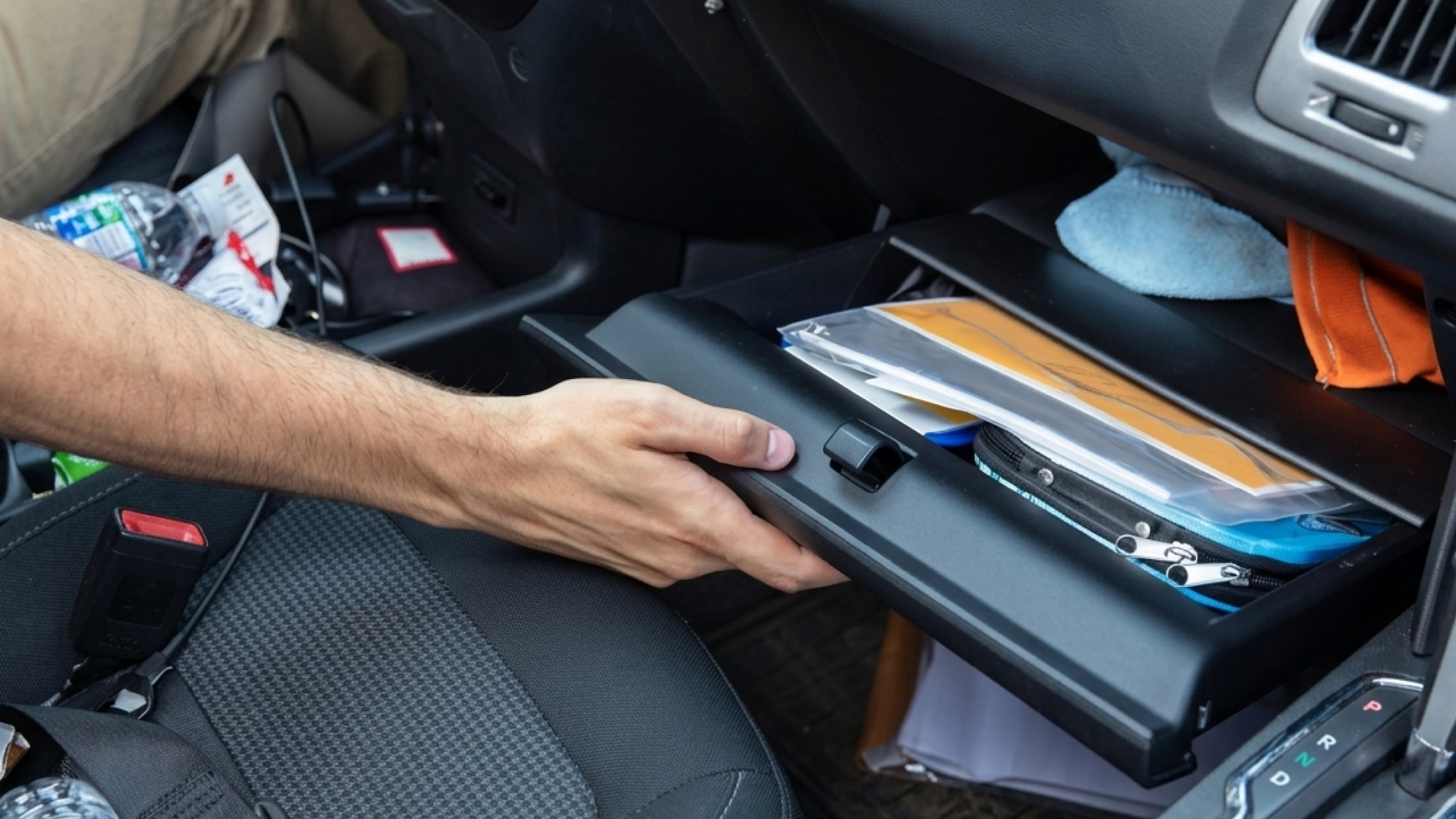
The safest approach is to remove anything valuable, personal, sensitive, fragile, loose, or unnecessary. That includes more than the obvious items in the center console. Important documents can be tucked into the glove box, electronics may be hidden under a seat, and small belongings can be scattered throughout the cabin, trunk, or cargo area.
Preparing the vehicle properly also makes the towing process easier. A professional towing operator needs to focus on safely loading and securing the vehicle, not sorting through personal belongings or dealing with unsecured objects.
Whether you need emergency towing after a breakdown, accident recovery, flatbed towing, motorcycle transportation, or long-distance vehicle transport, taking a few minutes to prepare your car can prevent avoidable problems.
Why Should You Remove Items Before Your Car Is Towed?
A tow truck transports your vehicle, not the belongings inside it. Personal property can be lost, damaged, forgotten, or exposed during the towing and vehicle storage process.
Removing your belongings also gives you control over items you may need while your vehicle is unavailable. If your car is going directly to a repair shop, for example, you may not have immediate access to it again.
There is another practical reason to clear the cabin: loose objects can move while the vehicle is being loaded, secured, transported, or unloaded. Understanding what to keep in your car for a roadside emergency can help you decide what should remain and what must be removed during an unexpected breakdown.
A good rule is simple: if you would be upset about losing it, breaking it, or leaving it inaccessible, take it out before the tow.
Items You Should Almost Always Remove
Before a scheduled tow, check for:
Cash and wallets
Jewelry and watches
Laptops and tablets
Phones and chargers
Cameras
Important documents
Identification
House keys
Work equipment
Prescription or personal items
School materials
Expensive tools
Collectibles
Sensitive paperwork
Spare vehicle keys
You do not need to strip the vehicle completely. Focus on anything valuable, personal, sensitive, fragile, or difficult to replace.
Remove Valuable Electronics
Electronics are among the first things worth checking before towing a vehicle.
Look under the seats, inside the center console, in door pockets, and in the trunk. Drivers often forget about items that are not part of their normal daily routine.
Common Electronics to Take With You
Check for:
Laptops
Tablets
Cameras
Portable gaming devices
Headphones
Smartwatches
External hard drives
USB drives
Portable chargers
GPS devices
Bluetooth accessories
If you use your vehicle for work, look carefully for company-owned equipment or devices containing business information.
A laptop left in a trunk might seem safe because it is out of sight, but there is little reason to leave an expensive device behind when you can take it with you.
Remove Important Documents and Personal Information
Your vehicle may contain paperwork that you rarely think about until you need it.
Check the glove compartment, center console, door pockets, seat-back compartments, and trunk.
Documents to Check For
Consider removing:
Personal identification
Financial documents
Medical paperwork
Tax records
Employment documents
Receipts containing sensitive information
Home or apartment paperwork
Legal documents
School records
Business documents
Mail
Vehicle registration and insurance information may need to remain accessible depending on your circumstances, so do not remove documents simply because they are in the glove compartment. Keep necessary vehicle-related paperwork with you if appropriate, but make sure you understand what you may need when the vehicle reaches its destination.
Take Out House Keys and Spare Keys
Keys are easy to overlook because they may be attached to a key ring or hidden in a small compartment.
Check for:
House keys
Apartment keys
Office keys
Storage-unit keys
Garage keys
Spare vehicle keys
Key fobs
Access cards
A vehicle being towed may be transported to a repair facility, storage location, or another destination where you will not be present. There is little benefit to leaving your house keys inside the car.
If the towing company needs a vehicle key to move or load the car, follow the specific key handoff instructions provided when the tow is arranged.
Remove Medications and Personal Care Items
If you regularly keep medications, medical equipment, contact lenses, personal care products, or other necessities in your vehicle, take them with you.
This matters particularly when your car is going to a repair shop. You may not know how long the vehicle will remain there, and you may need those items before the car is ready.
Check the glove compartment, center console, door pockets, and any dedicated storage areas.
Do not leave important personal necessities in a vehicle simply because you expect to retrieve them later.
Remove Cash, Jewelry, and Other Small Valuables
Small valuables can be easy to overlook.
Look for loose change, cash, jewelry, sunglasses, watches, gift cards, and other items stored around the cabin.
Even inexpensive objects can become frustrating to replace. If something has personal or financial value, taking it out before the tow is the simplest choice.
Do Not Forget the Trunk
Many people check the passenger compartment and completely forget the trunk.
Before the tow truck arrives, inspect:
Trunk organizers
Shopping bags
Luggage
Tool bags
Sports equipment
Electronics
Spare personal items
Work materials
If the vehicle has a separate cargo compartment or hidden storage area, check that too.
Remove Fragile Items
Not everything you remove needs to be expensive.
Fragile objects can break if they shift during transportation. Glass containers, delicate equipment, artwork, collectibles, ceramics, bottles, and other breakable items should generally be taken out.
Even if the towing equipment handles the vehicle properly, the car will still be loaded, moved, secured, transported, and unloaded. A loose object inside the vehicle may shift during those movements.
If you cannot remove an item, secure it appropriately and tell the towing provider if it is unusually fragile or heavy.
Remove Loose Items That Can Move Around
Small objects can become a nuisance during towing.
Examples include:
Water bottles
Coffee cups
Loose tools
Umbrellas
Sports gear
Shoes
Toys
Grocery bags
Cans or containers
Chargers
Loose cables
These items may slide under seats or move around the cabin.
A quick interior cleanup before towing is worthwhile. It also makes it easier to see whether you accidentally left behind something important.
What About Items Permanently Installed in the Car?
Not everything needs to be removed.
Factory-installed equipment and permanently mounted components are normally part of the vehicle. Depending on the circumstances, aftermarket accessories may also remain installed.
Examples include:
Built-in navigation systems
Factory audio equipment
Permanently mounted displays
Installed floor mats
Fixed cargo organizers
Professionally installed equipment
Use judgment with removable accessories. If an item is expensive, detachable, fragile, or personally important, consider removing it before transportation. Specialty transports like show car hauling often require additional precautions for custom and aftermarket additions.
Remove Removable Accessories When Practical
Some accessories can be taken off easily and are better transported separately.
Examples may include:
Removable roof accessories
Portable GPS units
Magnetic phone mounts
Detachable cameras
Removable cargo equipment
Portable speakers
If you are unsure whether a particular accessory should stay with the vehicle, ask the towing provider before pickup.
What Should You Remove After an Accident?
Accident recovery services require extra attention because you may be focused on the damage rather than the contents of the vehicle.
If it is safe to access the vehicle, remove personal belongings before the car is transported.
Prioritize Safety First
Do not climb into a heavily damaged vehicle simply to retrieve a pair of sunglasses or a bag.
If the vehicle has significant collision damage, broken glass, deployed airbags, unstable body panels, leaking fluids, or other hazards, wait for appropriate professionals to determine whether it is safe to access.
Your belongings are replaceable. Your safety is not.
Items to Look for After a Collision
If the vehicle can be accessed safely, check for:
Wallets
Phones
Identification
Insurance paperwork
Work equipment
Bags
Electronics
Prescription items
Child-related belongings
Important documents
Personal valuables
If the vehicle has been severely damaged, ask the appropriate towing, recovery, or property personnel about retrieving belongings rather than attempting to enter it yourself. Understanding what to expect during a professional accident recovery service call helps reduce stress after a crash.
What Should You Remove From an Electric or Hybrid Vehicle?
Electric and hybrid vehicles can contain additional equipment that you may want to leave undisturbed.
Remove your personal belongings, but do not attempt to disconnect, remove, or modify high-voltage components yourself.
If the vehicle has been involved in an accident, especially one involving visible damage to the underside or battery area, tell the towing provider before pickup.
The vehicle's manufacturer procedures and professional towing practices should guide how it is moved.
Should You Remove Child Seats Before Towing?
Child safety seats deserve special consideration.
If the vehicle is going to a repair shop after an accident, you may want to remove the child seat and inspect it according to the manufacturer's guidance and applicable safety recommendations.
A child restraint that has been involved in a crash may need special attention depending on the circumstances and manufacturer instructions.
Do not leave important child-related equipment in the vehicle simply because it is normally stored there. Remove items you expect to need while the vehicle is being repaired.
Should You Remove the Vehicle's License Plate?
Do not automatically remove license plates before towing.
Whether plates should remain on the vehicle depends on the circumstances and applicable requirements. In many normal towing situations, the vehicle remains identifiable with its plates.
If you have been specifically instructed by a repair facility, insurer, law enforcement agency, auction facility, or another authorized party to handle the plates differently, follow those instructions.
When in doubt, ask the appropriate authority rather than removing or altering vehicle identification without a reason.
What About Fuel, Batteries, and Other Vehicle Components?
Routine towing preparation does not mean you should start removing mechanical components from the vehicle.
Do not attempt to disconnect the battery, drain fluids, remove wheels, or make mechanical changes unless a qualified professional has instructed you to do so. Simple roadside issues like a dead battery can often be addressed with jump starts rather than complete component removal.
If the vehicle has a mechanical problem, accident damage, or unusual condition, provide that information to the towing company. The operator can determine what preparation is actually necessary.
How to Prepare Your Car Before a Tow
A simple room-by-room check can prevent forgotten items.
Step 1: Check the Front Seats
Look under and between the seats.
Check for:
Phones
Wallets
Keys
Chargers
Sunglasses
Documents
Loose electronics
Step 2: Check the Rear Seats
Look beneath seats and inside seat-back pockets.
Check for:
Bags
Children's items
Electronics
Clothing
School materials
Toys
Personal documents
Step 3: Check the Center Console and Glove Box
These areas often contain the most sensitive information.
Remove valuables, personal paperwork, spare keys, and anything you may need while the vehicle is unavailable.
Step 4: Check the Trunk or Cargo Area
Open every accessible compartment.
Look for luggage, tools, electronics, sports equipment, shopping bags, and other personal belongings.
Step 5: Check Hidden Storage Areas
Many vehicles have small storage spaces that are easy to forget.
Look beneath cargo floors, inside door pockets, seat compartments, and other accessible storage areas.
Step 6: Photograph the Vehicle
Take photos of the exterior and interior before the tow.
Capture existing dents, scratches, damaged wheels, broken lights, cracked glass, and other visible conditions.
Should You Empty the Entire Car Before Towing?
No. You generally do not need to remove every object from the vehicle.
The goal is to remove personal valuables, sensitive items, fragile objects, and loose belongings that could be lost or damaged.
Factory-installed equipment and ordinary vehicle components can generally remain where they are. Use common sense and follow any specific instructions from the towing provider or receiving facility.
What If You Forget Something in the Car?
If you realize you left something behind after the tow has already started, contact the appropriate party as soon as possible.
If the vehicle is still with the towing provider, ask whether retrieval is possible. If it has already reached a repair shop, storage facility, dealership, or another destination, you may need to coordinate access with that location.
This is one reason it helps to make a quick checklist before the vehicle leaves.
Does Removing Belongings Make Towing Safer?
Removing loose and unnecessary items can make transportation more orderly, but it does not replace proper vehicle loading and securement.
The towing operator remains responsible for using suitable equipment and following appropriate procedures for the vehicle being transported.
Your responsibility is mainly to prepare the vehicle, communicate relevant information, and remove belongings that should not travel with it.
Common Mistakes People Make Before a Tow
Even experienced drivers can forget something when a tow is unexpected.
Only Checking the Passenger Seats
Important items often end up in the trunk, center console, door pockets, or under the seats.
Do a complete check instead of looking only at the obvious areas.
Leaving Work Equipment Behind
A vehicle can become an unofficial storage space for laptops, tools, paperwork, and other work materials.
If you depend on an item for work, take it with you.
Forgetting Spare Keys
A spare key left inside the car can be just as important as the primary key. Check for spare fobs, house keys, garage remotes, and access cards.
Entering a Damaged Vehicle to Retrieve Belongings
After a serious collision, do not put yourself at risk for personal belongings. Ask qualified personnel whether the vehicle is safe to enter.
Assuming the Tow Is Only a Few Miles
Even a short local tow can result in the vehicle being unavailable to you for longer than expected if it needs repairs or storage.
Take anything you may need during that period.
A Practical Pre-Tow Checklist
Before the tow truck arrives, run through this quick list:
Remove cash and valuables.
Take laptops, tablets, phones, and other electronics.
Remove sensitive documents and personal paperwork.
Take house, office, garage, and spare keys.
Remove medications and important personal items.
Check the trunk and cargo area.
Remove fragile or breakable belongings.
Remove loose objects that could move around.
Check under the seats and inside storage compartments.
Remove important child-related items if needed.
Photograph the vehicle's condition.
Tell the towing provider about existing damage or special circumstances.
This takes only a few minutes and can save you the trouble of trying to recover something later.
What Information Should You Give the Towing Company?
Removing belongings is only one part of preparing a vehicle for towing.
Give the towing provider accurate information about the vehicle's condition and location. Mention whether the car starts, rolls, steers, brakes, or has a flat tire. Reviewing emergency roadside situations that often require professional towing assistance can help you communicate the exact details of your breakdown.
Also disclose:
Accident damage
Locked wheels
Low ground clearance
Modified suspension
Electronic parking brake
Electric or hybrid powertrain
Tight parking locations
Garage height restrictions
Gated access
Non-running condition
Good information helps the operator determine what type of towing equipment may be appropriate. Drivers in North Texas should also know how to choose a towing company in the DFW metroplex for reliable local service.
How Preparation Differs for Different Towing Situations
The basic principles remain the same, but the priorities can change.
Emergency Roadside Towing
For an unexpected breakdown, focus first on safety. Remove belongings only if you can do so without putting yourself in danger.
Accident Recovery
Safety comes first. Do not enter a severely damaged vehicle unless it has been determined to be safe. Understanding accident recovery vs. standard towing helps clarify why safety protocol is so strict after collisions.
Flatbed Towing
Because the entire vehicle is loaded onto a platform, secure loose belongings and remove valuables before loading. Learning why flatbed towing is recommended for luxury and specialty vehicles highlights how this method protects high-value cars.
Long-Distance Towing
Take anything you may need during the period when your vehicle is unavailable. Confirm the destination and delivery arrangements before the vehicle leaves. Knowing why long-distance towing requires specialized equipment and experience gives peace of mind during extended transports.
Motorcycle or Specialty Vehicle Transport
Remove loose personal items and detachable accessories. Reading about how motorcycle owners can prepare for emergency towing situations ensures bikes are prepped safely before loading.
Conclusion
Knowing what to remove from your car before it is towed is a small part of the towing process, but it can prevent several avoidable headaches. Take valuables, electronics, sensitive documents, keys, medications, fragile items, and anything else you would not want left unattended.
Do not forget the places people rarely check: under the seats, inside the trunk, behind seat pockets, and in hidden storage compartments. If the vehicle has been involved in an accident, put personal safety ahead of retrieving belongings.
Before the tow begins, also give the Infront Towing team accurate information about the vehicle's condition, location, and any special requirements. You can also review common Towing FAQs or Contact us directly to discuss your setup. A car that cannot start, steer, roll, or shift into neutral may need different towing equipment from a normally operating vehicle.
A few minutes of preparation can leave you with fewer worries once the vehicle is on its way to the repair shop, dealership, storage facility, or other destination.
Frequently Asked Questions
What Should I Take Out of My Car Before It Is Towed?
Remove valuables, electronics, important documents, cash, jewelry, keys, medications, fragile objects, and loose personal belongings. Check the entire cabin, trunk, cargo area, center console, glove compartment, and under-seat storage. Take anything valuable or difficult to replace with you before the vehicle is transported.
Should I Remove Important Documents From My Car Before Towing?
Yes, if practical. Check for identification, financial paperwork, work documents, legal records, medical information, and other sensitive papers. Keep any vehicle-related documents you may need for the repair, insurance, or towing process accessible to you rather than leaving unnecessary personal paperwork inside the vehicle.
Should I Remove Electronics From My Car Before a Tow?
Yes. Take laptops, tablets, cameras, headphones, hard drives, USB drives, portable chargers, and other expensive electronics with you. Check the trunk and hidden storage areas as well as the passenger compartment. Removing electronics also protects business or personal information stored on those devices.
Can I Leave Clothes and Other Personal Items in a Towed Car?
You can physically leave them inside, but it is usually better to remove anything you may need while the vehicle is unavailable. If clothing, bags, tools, or other items are left inside, make sure they are secure and not likely to move during loading and transportation.
Should I Remove My Child's Car Seat Before the Vehicle Is Towed?
If practical, remove the child seat and other important child-related items before towing, particularly if the vehicle was involved in a collision. A child restraint involved in a crash may require special attention based on manufacturer instructions and applicable safety guidance.
What Should I Remove From My Car After an Accident Before It Is Towed?
If the vehicle can be safely accessed, remove valuables, identification, electronics, medications, important documents, and personal belongings. Do not enter a severely damaged vehicle simply to retrieve something. Broken glass, airbags, unstable parts, or other hazards can make access unsafe.
Do I Need to Empty My Entire Car Before It Is Towed?
No. You generally do not need to remove every item from the vehicle. Focus on valuables, sensitive documents, fragile belongings, loose objects, and anything you will need while the vehicle is being repaired or transported. Factory-installed equipment and ordinary vehicle components can remain in place.
Should I Remove My Spare Key Before Towing?
Yes. Check for spare vehicle keys, key fobs, house keys, garage remotes, office keys, and access cards. If the towing operator needs a vehicle key for loading or another part of the process, follow the specific instructions provided when arranging the tow.
Should I Take Pictures of My Car Before It Is Towed?
Taking photographs before towing is a useful precaution. Photograph the exterior, wheels, windows, interior, and any existing dents, scratches, broken parts, or accident damage. Keep the photos until the vehicle has reached its destination and you have inspected its condition.
What Should I Do If I Left Something in My Car After It Was Towed?
Contact the towing provider or the facility where the vehicle was delivered as soon as you realize something is missing. If the vehicle is still accessible, ask about retrieving the item. The sooner you report the issue, the easier it may be to determine where the item was left.