Accident Recovery vs Standard Towing: Understanding the Difference
Introduction
A vehicle that breaks down on the side of the road and a vehicle involved in a collision may both need to be moved, but the services required are often very different. While many people use the terms "towing" and "accident recovery" interchangeably, each service is designed for a specific type of situation.
Understanding the difference between accident recovery and standard towing can help drivers know what to expect when they need professional assistance. Choosing the appropriate service not only helps protect the vehicle but also supports safer roadside operations during stressful situations.
For drivers throughout the Dallas Fort Worth Metroplex, professional towing companies offer both accident recovery and standard towing to address a wide variety of vehicle emergencies. Knowing when each service is needed can make an unexpected roadside event easier to manage.
Understanding Accident Recovery and Standard Towing
Although both services involve transporting vehicles, they are used under different circumstances.
What Is Standard Towing?
Standard towing is used when a vehicle cannot continue its journey because of a mechanical problem or another non-collision-related issue. The objective is to transport the disabled vehicle safely from one location to another.
Common reasons for standard towing include:
Mechanical breakdowns
Engine or transmission problems
Flat tires that cannot be resolved roadside
Vehicles that will not start
Planned vehicle transportation
What Is Accident Recovery?
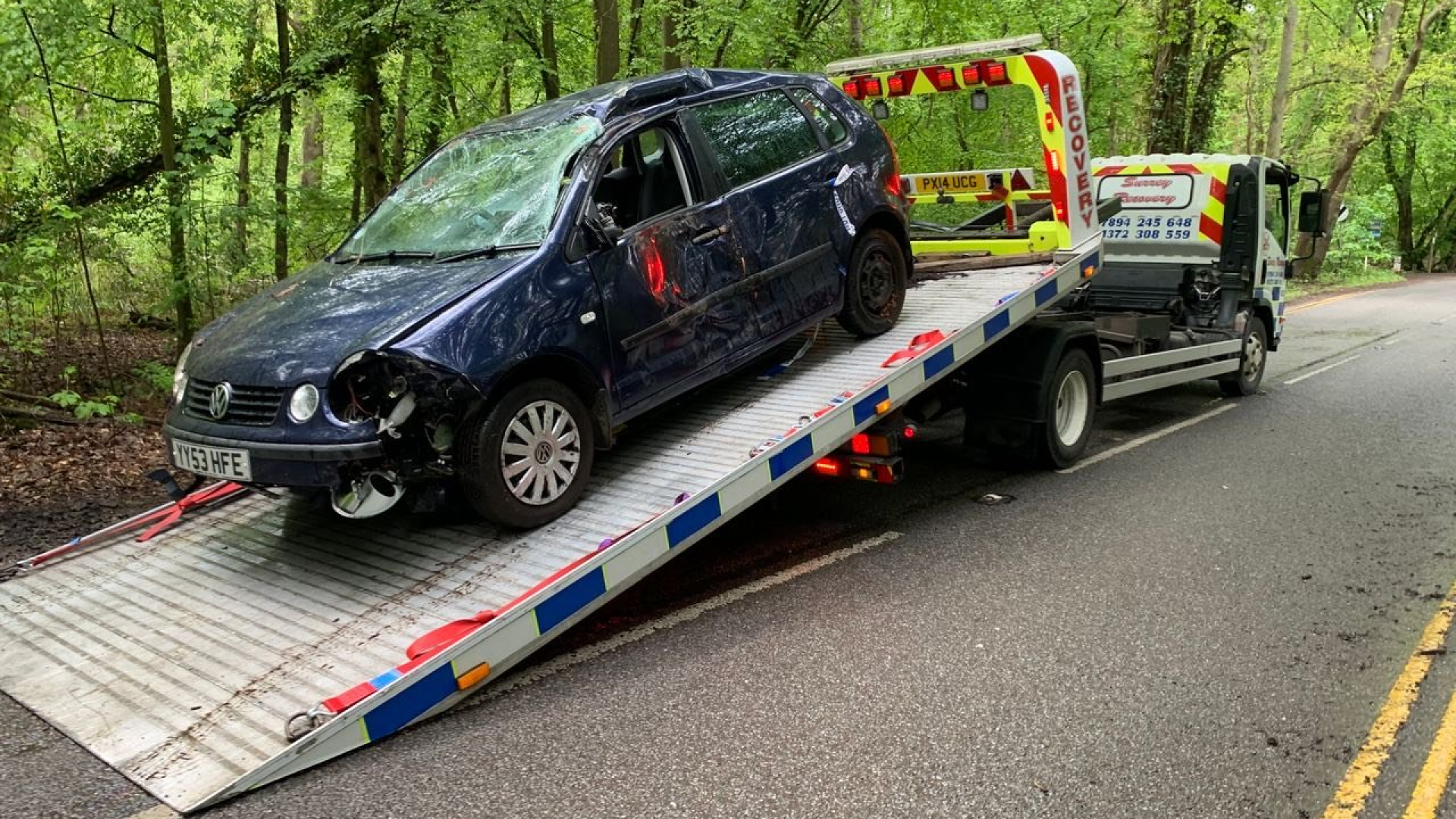
Accident recovery is a specialized service provided after a vehicle has been involved in a collision. In addition to transporting the vehicle, recovery services focus on safely removing damaged vehicles from the roadway and helping restore traffic flow. For a comprehensive overview, checking out accident recovery services explained: what drivers need to know after a collision provides invaluable insight for emergencies.
Because collision damage can affect the vehicle's structure, wheels, steering, or other components, accident recovery requires careful handling before transportation.
When Is Each Service Needed?
Situations That Call for Standard Towing
Standard towing is appropriate when a vehicle is disabled but has not been involved in an accident. Recognizing the signs you need professional towing instead of driving a damaged vehicle helps prevent minor faults from turning into permanent mechanical damage.
Examples include:
Mechanical failure
Dead battery after roadside assistance is unsuccessful
Flat tire without a usable spare
Fuel-related issues that cannot be resolved roadside
Vehicle relocation
Situations That Require Accident Recovery
Accident recovery is typically needed after:
Vehicle collisions
Multi-vehicle accidents
Vehicles that cannot be driven safely after impact
Roadway incidents requiring vehicle removal
In these situations, choosing specialized transport outlines the benefits of choosing flatbed towing for accident damaged vehicles, helping remove damaged vehicles safely while minimizing additional risks at the scene.
Key Differences Between Accident Recovery and Standard Towing
Purpose of the Service
Standard towing focuses on transporting disabled vehicles. Accident recovery focuses on recovering and transporting vehicles that have been damaged in a collision.
Vehicle Condition
Vehicles requiring standard towing may simply be inoperable because of mechanical issues. Vehicles involved in accidents may have significant damage that affects how they must be handled during transportation.
Roadside Environment
Standard towing often takes place after a breakdown in a parking lot, driveway, or roadside location. Accident recovery frequently occurs in more complex environments where traffic, damaged vehicles, and roadway hazards may be present.
Transportation Needs
Both services involve moving vehicles, but accident recovery begins with safely recovering the damaged vehicle before transportation can take place.
Common Questions Drivers Ask About Accident Recovery
Should I Request Accident Recovery After Every Collision?
If a vehicle cannot be driven safely following a collision, professional accident recovery is generally the appropriate service.
Can a Damaged Vehicle Be Towed Normally?
Every accident is different. Professional operators evaluate the condition of the vehicle to determine the safest way to transport it.
Is Accident Recovery Available Day and Night?
According to the Infront Towing website, accident recovery services are available 24 hours a day, seven days a week.
Can Accident Recovery Help Remove Vehicles from the Roadway?
Yes. Accident recovery services help remove damaged vehicles from the scene so they can be transported safely.
What Other Services Might Be Needed After an Accident?
Depending on the condition of the vehicle, additional towing or transportation services may be appropriate after recovery.
What Happens During the Accident Recovery Process?
Step 1: Contact the Dispatch Team
The driver or another responsible party contacts the team via the contact page to provide the accident location and basic information about the vehicle.
Step 2: Dispatching Professional Assistance
A recovery operator is dispatched to the accident scene.
Step 3: Vehicle Assessment
The operator evaluates the vehicle's condition and prepares it for safe recovery. To learn more about this on-site evaluation, read about what to expect during a professional accident recovery service call.
Step 4: Vehicle Recovery
The damaged vehicle is carefully recovered from the accident scene.
Step 5: Transportation
After recovery, the vehicle is transported to the requested destination or another appropriate location. Depending on the distance, you may want to review long distance towing vs. local towing: which service do you need to clarify your options.
Important Things Vehicle Owners Should Know
If you are involved in a vehicle accident, several simple steps can help make the recovery process smoother:
Move to a safe location if possible.
Turn on hazard lights when appropriate.
Share accurate location information when requesting assistance.
Clearly describe the vehicle's condition.
Follow instructions provided by emergency responders when applicable.
Professional recovery services are designed to help transport damaged vehicles safely while reducing additional roadway risks.
How Infront Towing Helps After Vehicle Accidents
Infront Towing provides professional accident recovery service protocols throughout Fort Worth, Arlington, Dallas, Irving, Grand Prairie, and the surrounding DFW Metroplex. Motorists can learn more about the company's dedicated equipment and emergency response capabilities.
According to the company's website, the team offers 24/7 accident recovery along with a full range of towing and roadside assistance services, including:
Flatbed towing – Highly recommended for collision damage, making it easy to understand what is flatbed towing and when is it the safest choice for vehicle transport.
Motorcycle towing – Safe two-wheel shipping that teaches riders how professional motorcycle towing protects your bike during transport and helps them avoid common motorcycle towing mistakes that can cause damage to your bike.
Long distance towing – Heavy-duty regional transit that explains why long distance towing requires specialized equipment and experience.
Show car hauling – Exotic and collector transport that handles rare classics safely, illustrating why show car hauling is different from standard vehicle towing and show car hauling: how professional transport helps protect valuable vehicles.
Tire change service – Quick flat fixes that highlight how professional tire change services improve roadside safety and detail tire change services: when roadside assistance is the safer option.
Jump starts – Emergency battery solutions. Learn more by checking out the common reasons drivers need a jump start and how to avoid being stranded or a dead battery on the road: a complete guide to jump start services.
Emergency fuel delivery – Rapid roadside fill-ups explaining how roadside fuel delivery helps drivers get back on the road quickly and what to do during an emergency fuel delivery: what happens when you run out of gas on the road.
Whether a vehicle has experienced a mechanical breakdown or has been involved in a collision, Infront Towing provides professional assistance to help drivers transport their vehicles safely.
Conclusion
Although accident recovery and standard towing both involve moving vehicles, they serve different purposes. Standard towing is designed for disabled vehicles that are not involved in collisions, while accident recovery focuses on safely recovering and transporting vehicles that have sustained accident damage.
Understanding these differences helps drivers choose the appropriate service when unexpected situations arise. For motorists throughout the DFW Metroplex, Infront Towing offers both accident recovery and standard towing services, providing dependable assistance for a wide range of roadside emergencies.