

How to Protect Personal Belongings During Vehicle Transport
Introduction
Having a vehicle transported can be necessary after a breakdown, accident, relocation, long-distance move, or specialty vehicle transfer. While most people focus on getting the vehicle from one location to another safely, there is another detail that deserves attention: the personal belongings inside the vehicle.
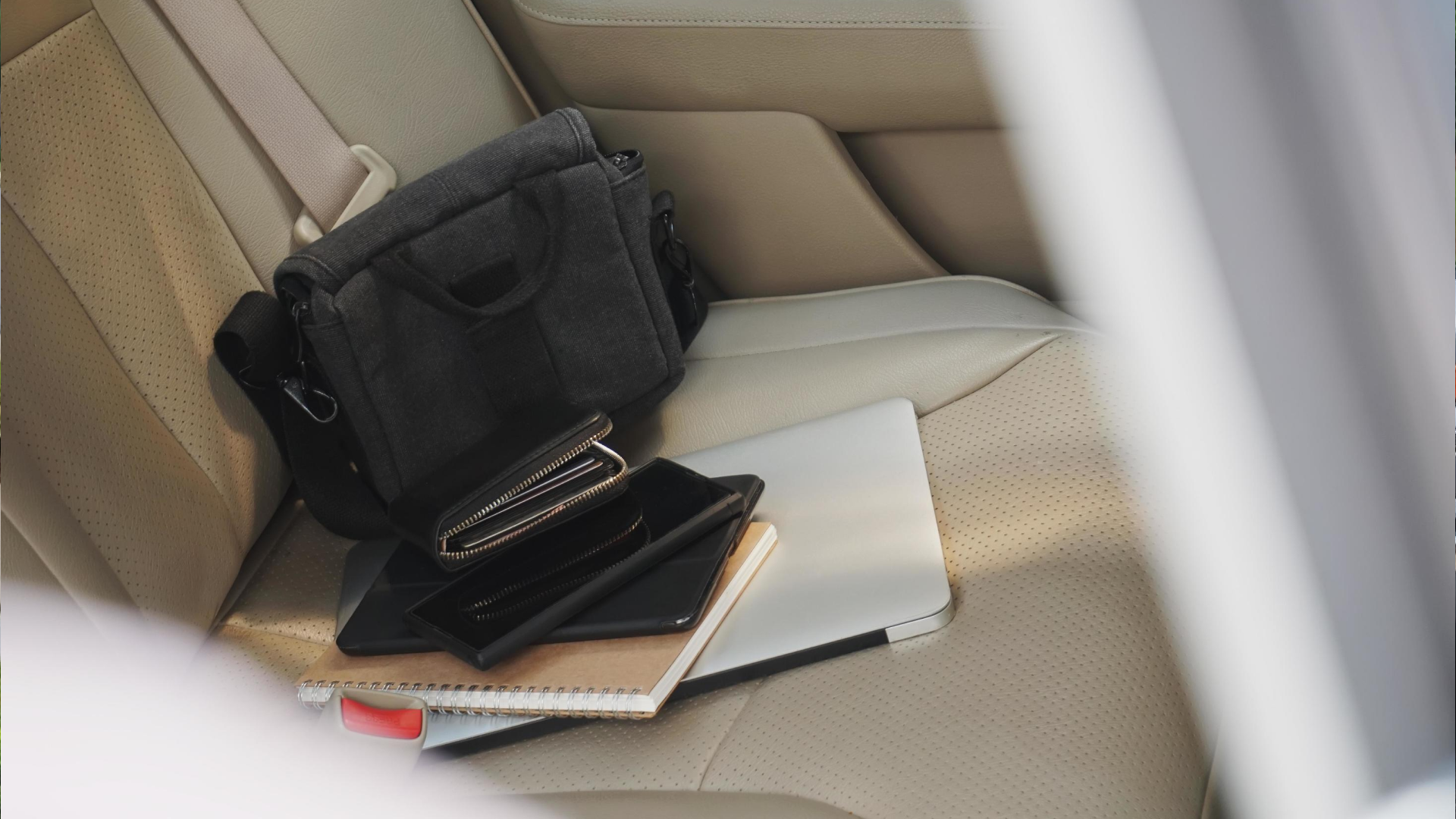
A car can hold far more than people realize. Sunglasses may be left in the center console, tools may be stored in the trunk, electronics may sit under a seat, or important documents may be tucked into a glove compartment. During vehicle transport, unsecured items can shift, break, become difficult to locate, or create complications during loading and unloading.
The safest approach is simple: remove personal belongings before vehicle transport whenever possible. Anything that must remain inside should be secured appropriately, and valuable, fragile, or important items should generally travel separately.
This guide explains how to prepare a vehicle for towing or transport, what belongings should be removed, how to secure remaining items, and what to check before and after transportation.
Why You Should Remove Personal Belongings Before Vehicle Transport
Vehicle transport is different from simply driving your car from one location to another. Depending on the service, a vehicle may be loaded onto a flatbed, positioned on towing equipment, moved over uneven surfaces, or transported for a considerable distance.
Those movements can cause loose objects inside the cabin or cargo area to shift.
Removing belongings helps reduce several avoidable problems:
Items can move around during loading and unloading.
Fragile objects can be damaged.
Loose items can interfere with pedals, controls, or visibility if the vehicle is later driven.
Valuable possessions may be difficult to account for.
Heavy objects can damage interior panels or other belongings.
Important documents can be misplaced.
Personal items may complicate an insurance or damage claim.
A clean interior and cargo area also make it easier to inspect the vehicle before transportation.
What Counts as a Personal Belonging?
Personal belongings include items that are not permanent components of the vehicle.
Common examples include:
Laptops and tablets
Phones and portable electronics
Wallets and cash
Jewelry
Sunglasses
Tools
Clothing
Bags and luggage
Important documents
Prescription items
Sports equipment
Child-related items
Cameras
Work equipment
Loose vehicle accessories
If an item can easily be picked up and removed from the vehicle, consider taking it with you rather than leaving it inside.
What to Remove Before Your Vehicle Is Transported
Before a tow truck arrives, walk through the entire vehicle rather than checking only the obvious storage areas.
Start with the passenger compartment and then inspect every storage space.
Check the Front Seats and Center Console
Look under both front seats and inside the center console. Small items often end up in these areas without the owner realizing they are still there.
Remove:
Electronics
Coins and cash
Sunglasses
Chargers
Documents
Keys that are not required for the tow
Small tools
Personal accessories
Do not assume an item is safe simply because it is inside a closed compartment.
Inspect the Glove Box and Door Pockets
The glove box frequently contains insurance paperwork, registration documents, manuals, receipts, and other personal information.
Take photographs or make copies of documents you need for your records, then remove anything that is not necessary for vehicle transport.
Door pockets should also be checked because bottles, tools, papers, and other objects can easily be forgotten there.
Empty the Trunk and Cargo Area
The trunk can create a false sense of security because belongings appear protected from outside movement.
Heavy or loose objects can still shift during transportation.
Remove:
Luggage
Electronics
Shopping bags
Tools
Sporting equipment
Work materials
Fragile items
Valuable possessions
If the vehicle is being transported after an accident, check carefully because items may already have shifted around inside the cabin or trunk.
How to Secure Items That Must Remain in the Vehicle
Sometimes removing everything is not practical. In those situations, the goal is to prevent remaining items from moving.
Keep lightweight objects together and place them in closed containers when appropriate. Avoid stacking fragile items underneath heavier belongings.
Keep the Weight Low and Even
Do not overload one section of the vehicle with heavy objects.
Uneven weight distribution can create unnecessary concerns during loading and transport. Heavy belongings should generally be removed rather than left in the vehicle.
If something must remain inside, place it securely and avoid creating a pile of loose objects.
Protect Fragile Items
Fragile belongings should ideally travel separately from the vehicle.
If a small item must remain inside, wrap it appropriately and place it where it will not move freely. Do not rely on towels, blankets, or clothing alone to keep valuable or delicate objects safe.
For expensive electronics, collectibles, glass items, or other high-value possessions, separate transportation is usually the better choice.
Create a Pre-Transport Vehicle Checklist
A checklist can prevent forgotten belongings and make the handoff easier.
Before the tow or transport begins, check:
Glove box
Center console
Door pockets
Under the seats
Trunk or cargo area
Spare tire compartment
Rear-seat pockets
Cup holders
Roof storage or exterior compartments
Any aftermarket storage areas
Take a few minutes to walk around the vehicle after completing the inspection.
This simple habit can prevent the frustrating experience of discovering an important item is still inside the vehicle after it has already been transported.
Photograph Your Vehicle Before Transport
Photographs are useful for documenting the vehicle's condition before transportation.
Take clear pictures from several angles, including the front, rear, sides, wheels, windshield, roof, and visible areas of the interior.
You may also want photographs of existing scratches, dents, broken components, or accident damage.
What Should You Photograph?
Focus on areas that could help establish the vehicle's condition before the tow:
Existing body damage
Scratches and dents
Wheels and tires
Bumpers
Mirrors
Windshield
Windows
Interior condition
Dashboard
Cargo area
Make sure the images are clear enough to identify the area being documented.
If possible, keep the photographs with the date and time information associated with them.
Keep Important Documents With You
Never leave irreplaceable personal documents inside a transported vehicle unless there is a specific reason to do so.
Examples include:
Passports
Birth certificates
Financial documents
Legal paperwork
Personal identification
Business records
Sensitive customer information
These items have little connection to the transportation of the vehicle itself and are better kept with the owner.
Vehicle-related documents may be needed during the transport process, but personal records should generally travel separately.
Protect Electronics and Valuables
Electronics deserve special attention because they can be expensive, fragile, and sensitive to environmental conditions.
Remove laptops, tablets, cameras, gaming devices, portable hard drives, and other valuable electronics whenever possible.
The same principle applies to jewelry, cash, collectibles, and other irreplaceable belongings.
Why Valuables Should Travel Separately
Vehicle transportation is intended to move the vehicle, not provide personal-property transportation.
Keeping valuables with you gives you greater control over their security and condition. It also makes it easier to establish exactly what belongings were under your care during the trip.
For expensive or unusual items, check the applicable transportation agreement or ask the towing or transport provider what their policy says about personal property.
Prepare the Vehicle for Flatbed Towing
Flatbed towing is commonly used when a vehicle needs to be transported with all four wheels off the road.
This can be a practical choice for many situations, including disabled vehicles, accident-damaged vehicles, specialty vehicles, and long-distance transport.
Before loading, remove loose belongings just as you would with other forms of vehicle transport.
Check the Exterior Before Loading
Look for anything that could become loose during transport.
This includes:
Loose exterior accessories
Items attached to roof racks
Temporary signs
Unsecured equipment
Loose covers
Personal items stored in exterior compartments
If the vehicle has special equipment or aftermarket modifications, mention them to the towing professional before loading.
Special Considerations for Motorcycles and Specialty Vehicles
Motorcycles, classic vehicles, luxury vehicles, modified cars, and other specialty vehicles may require additional preparation.
Personal belongings should still be removed, but the vehicle itself may need more careful handling.
Motorcycles
Remove loose accessories and personal gear when possible.
Check saddlebags, storage compartments, luggage racks, and other areas where belongings may have been left.
Helmets, riding equipment, electronics, and personal bags are better transported separately unless arrangements have been made for them.
Classic and Specialty Vehicles
Specialty vehicles may have aftermarket components, custom interiors, low ground clearance, unusual dimensions, or delicate exterior features.
Tell the towing provider about any special characteristics before transportation begins.
This allows the appropriate equipment and loading approach to be considered.
What Not to Leave Inside a Transported Vehicle
Some items are particularly unsuitable for vehicle transport.
Avoid leaving behind:
Cash
Jewelry
Firearms
Important personal documents
Prescription medications
Irreplaceable photographs
High-value electronics
Hazardous materials
Perishable food
Loose liquids
Fragile collectibles
For safety reasons, hazardous or restricted materials should never be treated as ordinary personal belongings.
If you are unsure about a particular item, ask the transportation provider before leaving it in the vehicle.
Understand the Difference Between Vehicle Damage and Personal Property
One common misconception is that transportation coverage for the vehicle automatically means every personal belonging inside the vehicle is covered.
That is not necessarily the case.
Vehicle transportation agreements and insurance arrangements can have specific terms concerning personal property. Coverage may differ depending on the provider, service, circumstances, and type of item.
Before transportation, ask:
What damage to the vehicle is covered?
Are personal belongings covered?
Are there exclusions?
Is there a weight limit for belongings?
What items are prohibited?
What should be removed before transport?
What documentation should be completed?
Getting clear answers before loading is much easier than trying to resolve a misunderstanding afterward.
What to Do Before the Tow Truck Arrives
If you have enough time to prepare, use a simple sequence.
Step 1: Remove Valuable Items - Take out cash, jewelry, electronics, important documents, medications, and anything irreplaceable.
Step 2: Empty Storage Areas - Check the cabin, trunk, glove box, console, door pockets, and under-seat areas.
Step 3: Secure Necessary Items - If something must remain in the vehicle, make sure it is properly contained and cannot move freely.
Step 4: Photograph the Vehicle - Document the vehicle's condition from multiple angles.
Step 5: Check the Vehicle's Exterior - Remove loose accessories and inspect roof racks, storage areas, and other exterior components.
Step 6: Confirm Transport Details - Verify the pickup location, destination, vehicle information, and any special handling requirements with the towing provider.
Step 7: Keep Your Personal Items With You - Do not leave important belongings behind simply because the vehicle is being transported.
What to Check After Vehicle Transport
Once the vehicle arrives, inspect it before driving away whenever practical.
Compare the vehicle with your pre-transport photographs.
Check:
Body panels
Wheels
Tires
Mirrors
Bumpers
Windows
Interior
Cargo area
Special equipment
Also make sure the vehicle's belongings are accounted for if anything was intentionally left inside.
If you notice damage, document it promptly and contact the appropriate provider according to the transportation agreement.
Common Mistakes to Avoid
Many transport problems can be prevented with a few minutes of preparation.
Leaving Valuables in the Car: This is one of the easiest mistakes to avoid. Take valuable and personal items with you.
Forgetting Hidden Storage Areas: Under-seat storage, door pockets, consoles, and trunk compartments are frequently overlooked.
Assuming Everything Inside Is Covered: Do not assume personal belongings receive the same coverage as the vehicle.
Leaving Heavy Objects in the Trunk: Heavy cargo can shift and may place unnecessary strain on the vehicle or equipment.
Failing to Document Existing Damage: Without photographs, it can be harder to establish the vehicle's pre-transport condition.
Not Mentioning Special Vehicle Modifications: Lowered vehicles, modified suspensions, custom bodywork, specialty equipment, and other modifications should be disclosed before loading.
Practical Vehicle Transport Best Practices
A safe vehicle transport preparation routine does not have to be complicated.
The key principles are:
Remove personal belongings whenever possible.
Take valuables with you.
Keep important documents out of the vehicle.
Secure anything that must remain.
Avoid leaving heavy or fragile items inside.
Photograph the vehicle before transport.
Tell the towing provider about special vehicle characteristics.
Understand personal-property and vehicle-damage policies.
Inspect the vehicle after delivery.
Keep transportation records and photographs for your files.
These steps are useful whether a vehicle is being moved across the Dallas-Fort Worth area or transported a much longer distance.
How Professional Vehicle Transport Helps Protect the Vehicle
Professional towing and vehicle transport involve more than simply moving a disabled car from one location to another.
The appropriate equipment, loading method, securement process, and handling approach depend on the vehicle and transportation circumstances.
Flatbed towing can be particularly useful when keeping all four wheels off the road is preferred or when a vehicle requires specialized handling. Motorcycle towing and show car hauling may also require equipment and procedures suited to the vehicle's design.
Good preparation by the vehicle owner complements careful handling by the transportation provider.
Conclusion
Protecting personal belongings during vehicle transport starts before the tow truck arrives. The safest strategy is to remove valuable, fragile, sensitive, and important personal items from the vehicle whenever possible.
Take a few minutes to inspect every storage area, secure anything that must remain, photograph the vehicle's condition, and understand the provider's policies regarding personal property and vehicle damage.
Whether the vehicle needs local towing, flatbed transportation, accident recovery, motorcycle transport, or long-distance towing, preparation can make the process easier and reduce avoidable problems. A clean vehicle, clear communication, and documented condition give both the owner and transportation provider a better starting point for a safe vehicle move.
Frequently Asked Questions
What Should I Remove From My Car Before Vehicle Transport?
Remove valuables, electronics, cash, jewelry, important documents, medications, fragile belongings, and other personal items. Check the glove box, console, door pockets, seats, trunk, and hidden storage compartments before transportation.
Can I Leave Personal Belongings Inside a Car During Towing?
Policies vary by towing and transport provider, so ask before leaving belongings inside. Valuable, fragile, irreplaceable, or sensitive items should generally be removed and transported separately rather than left in the vehicle.
Are Personal Belongings Covered During Vehicle Transport?
Not necessarily. Coverage for personal belongings can differ from coverage for the vehicle itself and may depend on the transportation agreement or insurance terms. Ask the provider about exclusions and personal-property coverage before transport.
How Should I Prepare My Car for Flatbed Towing?
Remove personal belongings, secure or remove loose exterior accessories, document existing damage, and tell the towing provider about modifications such as lowered suspension, specialty equipment, or custom bodywork.
Should I Photograph My Car Before It Is Transported?
Yes. Take clear photographs of the vehicle's exterior, wheels, windows, interior, and existing damage before loading. These images create a useful record of the vehicle's condition before transportation.
Can I Leave Heavy Items in My Trunk During Vehicle Transport?
It is better to remove heavy items whenever possible. If something must remain inside, ask the towing provider about acceptable cargo and secure the item so it cannot move freely during loading or transportation.
What Should I Do With Important Documents Before a Car Is Transported?
Keep passports, identification, financial records, legal documents, business records, and other sensitive paperwork with you. Vehicle-related documents that are required for the transport process should be handled according to the provider's instructions.
How Do I Prepare a Motorcycle for Transport?
Remove personal gear and loose belongings from saddlebags, storage compartments, and attached luggage. Tell the transport provider about aftermarket accessories or special equipment so the motorcycle can be handled appropriately.
What Should I Check After My Vehicle Is Delivered?
Inspect the exterior, wheels, tires, mirrors, windows, interior, and cargo area. Compare the vehicle with your pre-transport photographs and document any concerns promptly according to the transportation provider's procedures.
Does Long-Distance Vehicle Transport Require Different Preparation?
The basic preparation is similar, but longer transportation makes careful preparation especially useful. Remove valuables and fragile belongings, document the vehicle's condition, secure necessary items, and confirm transport requirements with the provider before departure.
